
The term “beef cattle” can be simply described as a type of cattle raised to produce meat. The “beef” part refers to the meat of the cattle, whether mature or almost mature. There are three stages in beef production:
- Cow-Calf Operations. At this stage, the cow is bred to produce offspring.
- Backgrounding. This stage starts with the weaning of the calves and ends with the calves being placed in the feedlot.
- Feedlot Operations. Cattle at this stage are prepared for slaughter and made ready for sale. They undergo a fattening process and are predominantly males.
Cattle of this type are not only used for their meat. Their byproducts can also be utilized in the production of inhalers, insulin, cosmetics, shampoo, and even candy.
Management of Beef Cattle
Beef cattle mate naturally when a bull is let loose to choose a mating partner. There are several aspects an owner must consider when choosing the bull, the most important of which is its potential to spread disease. It is risky to choose a bull that has not first been tested for diseases, at least the most common ones. The whole herd would be at risk if a farmer carelessly selected any bull. A farmer must do the research to learn everything about a bull before introducing it to the herd.
In terms of day-to-day maintenance, the handlers must provide the beef cattle with a low-stress environment. Many aspects are involved, including humane treatment, proper nourishment, constant safety, manageable comfort, and top-notch care and health. The farm must be equipped with shelters the cattle can use to protect themselves from extreme weather.
The animals must always be handled safely and with appropriate equipment. The way they are slaughtered must also be as humane as possible. Infected individuals, or those suspected of being infected, must be reported to an authorized veterinarian, who will decide whether the animals are fit for further treatment or should be euthanized instead.
Illness and disease can spread quickly among the herd, so the owner must always practice close monitoring to prevent such a disaster from ever happening. This is crucial, especially since some types of disease may also affect humans.
On average, beef cattle eat the equivalent of about 2 to 3 percent of their body weight in dry matter feed per day, and younger growing cattle tend to sit at the higher end of that range. The exact figure depends on forage quality and the animal’s stage of production, as the Merck Veterinary Manual notes. Cattle at different production stages also consume different diets. Cow-calf operation cattle typically live on pasture, where they feed mainly on fresh grass. Cattle in backgrounding and feedlot operations are fed rations that are high in grain. Despite its higher cost, grain is effective at boosting their growth. Silage can be added to the meal plan to meet the animal’s need for roughage. A cow of average weight will drink at least 41 liters of water a day, a figure that rises in hot weather.
Processing Beef Cattle
Processing beef cattle is a long journey from the farm to the market. An animal of 450 kg makes a carcass of around 280 kg once the offal, guts, skin, feet, head, and blood are removed. This carcass is then hung in a cold room for up to four weeks, during which the meat loses more weight as water dries out. After deboning and cutting, the carcass yields at least 200 kg of beef. The fat that remains within the muscle is called marbling, and the cut with the most marbling is worth more because it is considered high-grade.
Slaughtering beef cattle goes through three stages, summarized below.
| Stage | What Happens | Purpose |
|---|---|---|
| Pre-Slaughter Handling | Feed is withheld for up to 24 hours before the animal is handled | Prepares the animal and helps keep the process clean |
| Stunning | The animal is restrained and then stunned | Prevents pain and helps preserve meat quality |
| Slaughtering | The animal’s throat is cut to allow the blood to drain | Completes the process humanely and hygienically |
The Secret to the Best Beef
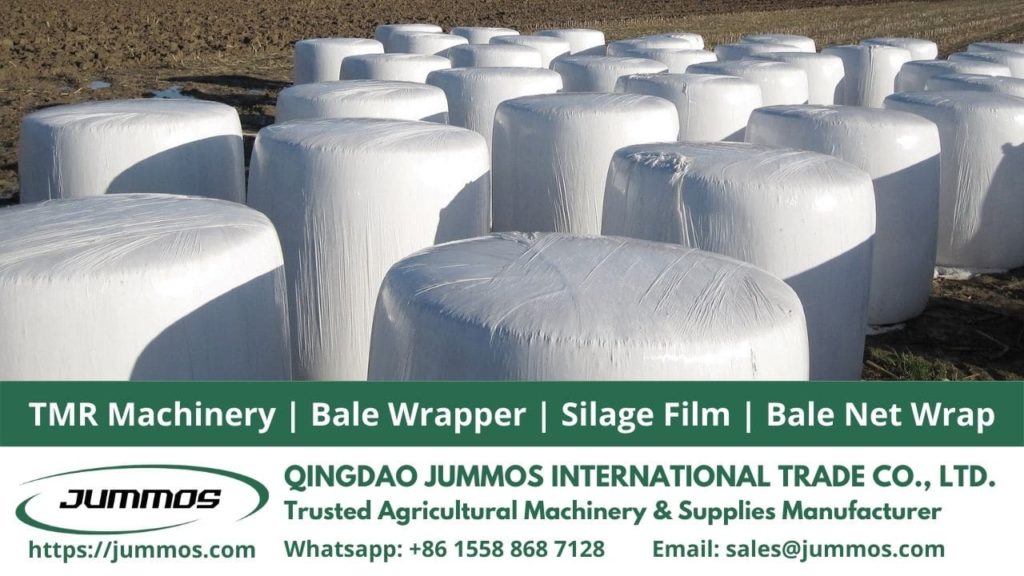
It is no secret that the best beef cattle are the ones given the best feed. Consistent, well-mixed rations and properly preserved silage make a real difference in how cattle grow and how their meat turns out. Jummos contributes to your farm business by providing high-quality machinery you can use to prepare and process that feed, from TMR mixers that blend a balanced ration to baler wrappers that lock in the nutrition of your forage. To keep that forage in peak condition, our agricultural silage film helps protect it from spoilage through the hard season. Browse our catalog or ask us questions so we can help you make a sound decision before you buy.
Reviewed and updated by the Jummos Content Team on June 26, 2026, with feed intake figures checked against current veterinary guidance.