Twine vs net wrap efficiency is such an important comparison in the recent husbandry world. The farmers need to know which one is the most efficient. As the recent study stated that modern husbandry needs forage conservation, the debate on the method and the comparison arises. By comparing some aspects, it is expected to have a wise conclusion in the end. Keep reading to know the comparison of the equipment, storage, labour and cost of the two.
Contents
Twine and Net Wrap Explanation

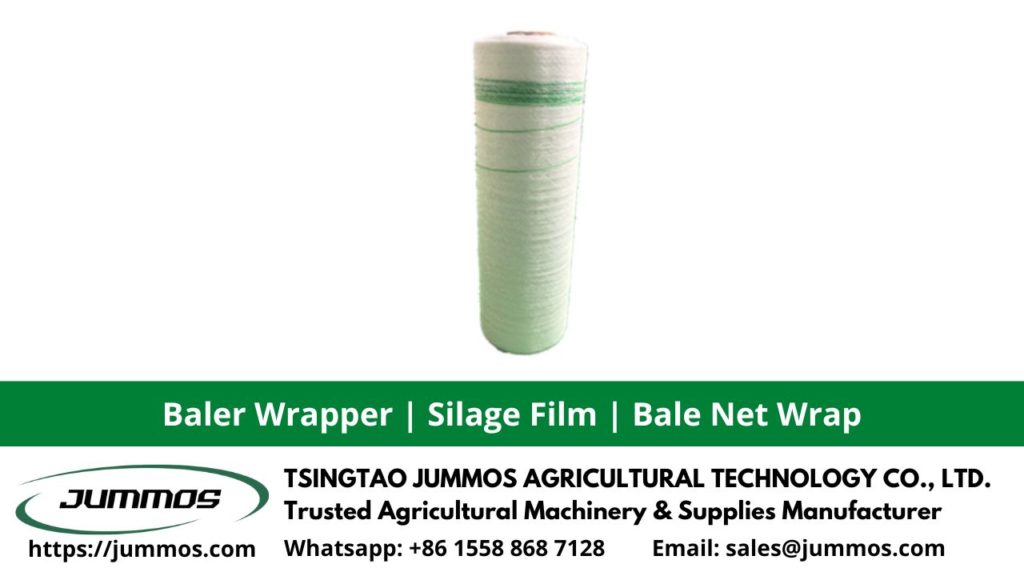
Twine is a thin rope, but strong enough to seal hay or silage. It keeps the feed compact and unraveled after being processed by the bale machine. Net wrap, also known as a mesh sleeve, has the same function.
However, the shape is in webbing. The rope is made of polypropylene. Because it is barely a rope, the machine needs more time to make a perfect bale. The coverage is average with some possible open spots. On the contrary, the mesh sleeve covers better. Because the shape is already a web (not a single rope), it takes less time in baling.
The material used to make this seal is polyethylene. From this brief comparison, you might want to draw a silver lining. But don’t be too fast before each applies to a certain condition; keep reading this twine vs net wrap efficiency article.
Economic Viability and Cost
The price of the material purchase shows that the rope costs less. However, in the long term, it incurs additional cost. When the calculation counts every penny spent, the rope is more-pricey in the operation.
Meanwhile, the mesh sleeve that’s pricier in the starter or material purchase can help to reduce labour costs. The effective work simplifies the whole activity. The feed is also protected from being spoiled, so it also helps in reducing feed damage. The whole feed can be maximized with no waste.
Although one kind of seal might be superior to the other, in a particular condition, a farmer might not want to use it. It is because it depends on the need and the budget available at that time. For example, a small husbandry with a limited budget might choose the more affordable starter. Both have their strengths and weaknesses, and might help in different conditions.
The Density, Quality and Storage System
To know the details, here are the comparisons of the important elements.
Net Wrap
- In terms of uniformity, this kind of seal can be relied on. It has constant sealing to ensure that the bales are in the same shape and size.
- It seals the bales with great tightness so that the air is perfectly blocked from entering the inside bale.
- With the compact and tight bales, the storage is more spacious. The farmers could allocate the space for more bales.
- It has less spoilage. Water and air can be blocked perfectly.
Twine
- It is easier to unravel. It doesn’t need so much time to prepare the livestock feed, so the livestock’s hunger can be fulfilled right away.
- It absorbs more moisture; it is great for short-term storage, but not for long-term.
- It is versatile, fits more kinds of machines, and includes older machines.
Sustainability: Which One is More Environmentally Friendly
Both possess the risk of pollution for some or all of the material made of plastic. However, the percentage of both is different. It pushed the manufacturers to produce a biodegradable version of both, which makes twine vs net wrap efficiency nearly even.
In recent husbandry, the feed seal with more environmentally friendly ingredients is available. This innovation requires adaptation in the use and in the cost. With the pollution rate that’s higher over time, sustainable materials are important to consider. The impact of choosing sustainable material cannot be seen in the short term, but in the long term, the benefits can be felt by the whole elements.
Considerations Related to Climate and Regional Conditions
Some elements play Important roles in successful feed baling. One most important thing is humidity. In a region with high humidity, the mesh sleeve performs its best when the farmers can control the moisture level. In an arid climate, the rope is suggested to be used more than its rival. It is more cost-effective. The farmers decide something based on the climate and environmental conditions.
Based on that repetitive decision, it becomes a habit and a constant demand for a certain kind of seal. The farmers also choose what they choose based on their economic condition. Two factors affect the decision and the consideration, that is, environmental and financial conditions.
From the explanation, we can see the silver lining of the comparison. At first, the mesh sleeve seems superior to the other. However, in some conditions, like the environment or the financial condition, the rope is a better choice. It means that there is no absolute ‘better’ between the two, there is no “one-size-fits-all”. The twine vs net wrap efficiency could be at its best depending on some factors.