
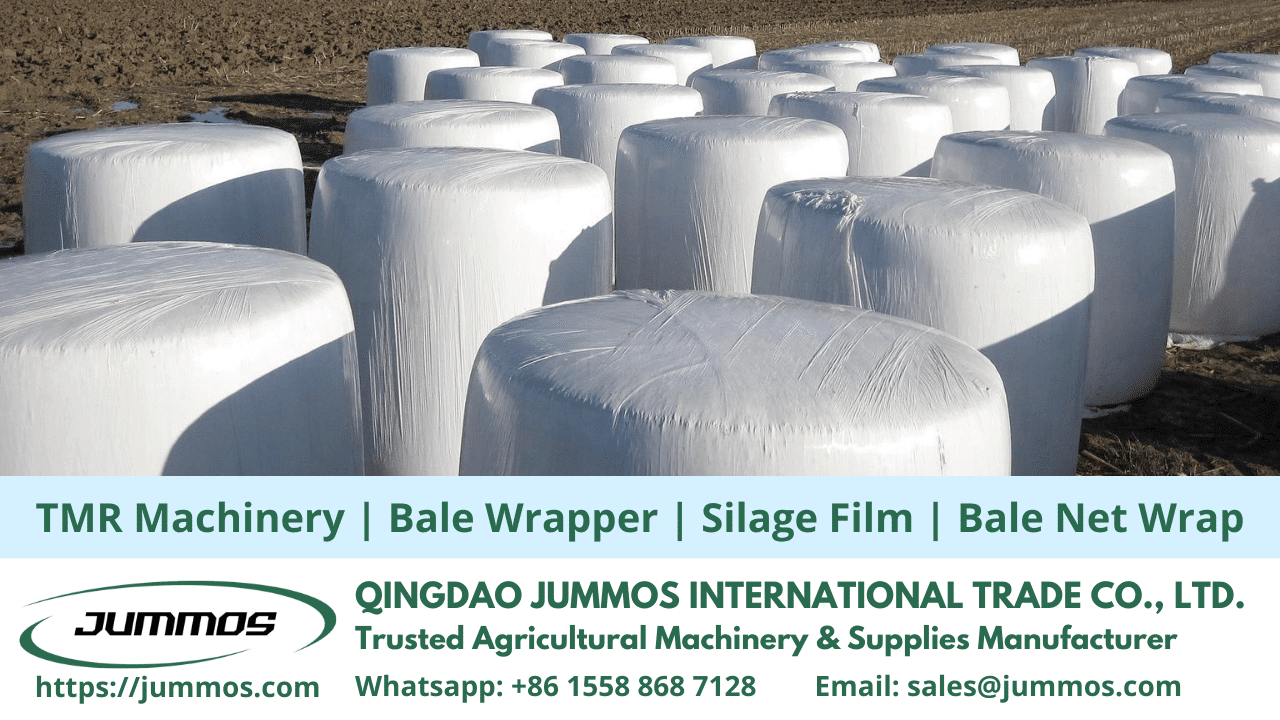
Silage films can be produced in various ways; they depend on the material construction that is used to build the products. Some silage film factories might use simple procedures to obtain good quality silage film, while others use complicated ways to get an outstanding result for each of their products. It can be said that the materials that are used to build the silage film determine the preparation needed to complete products.
Contents
- 1 Since Silage Films are Similar to Plastic, Will the Production of Silage Film Will Give a Bad Impact on the Environment?
- 2 So What About Virgin Materials for Silage Film, What Does it Means?
- 3 Does Environment-Friendly Silage Film Made from PCR Only, or Is It Possible to Use Any Other Material?
- 4 Does Non-Virgin Material Silage Film Perform As Well As Common Silage Film?
- 5 Which One Should I Choose, the Silage Film Made from Virgin Material or Those That is Made From PCR Materials?
Since Silage Films are Similar to Plastic, Will the Production of Silage Film Will Give a Bad Impact on the Environment?
Fortunately, some silage film companies are now addressing environmental issues seriously; they commit to support agriculture and causing less damage to the environment as a result of the agricultural industry. Some companies rely on natural ingredients that give a small environmental impact and choose less damaging production procedures.
One of the materials used to build a sustainable silage film is post-consumer recycled material. The key point of the material is it should be free from EVOH and PA, and the base material should also be 100% recycled. The silage film factories directly reduced 15 footprints by using the recycled and sustainable material to build the silage film. This method is more environmentally friendly compared to virgin-based silage film materials.
So What About Virgin Materials for Silage Film, What Does it Means?
Silage film that is made from virgin material is mostly made of 100 virgin polyethylene, LLDPE, and mLLDPE based products. This means that their products are probably not using recycled products; sometimes the material is even imported from abroad, which means the production requires more energy and budget to be completed. Some silage film factories choose to use virgin materials because they are easy to be constructed; they also require no additional treatment for the materials since they are ready to process.
Unlike virgin materials that are ready to process anytime, PCR materials or post-consumer recycled materials need more treatment because they cannot be directly used by the Silage film factory. The additional treatment may include cleaning, breaking, and remolding the recycled materials.
Does Environment-Friendly Silage Film Made from PCR Only, or Is It Possible to Use Any Other Material?
Sustainable silage film can be made from different raw materials; PCR is the common one. Others also try to find the solution from using the abundant materials available in their area, especially the natural materials. Using natural material has been approached by some companies because they believe that natural material may do less harm to the environment while helping the local community. One of the natural materials that silage film factories use is bamboo; they chose to use bamboo as the raw materials because it grows faster and can be planted almost everywhere around humid temperature areas.
Does Non-Virgin Material Silage Film Perform As Well As Common Silage Film?
Non-Virgin Material silage may perform as well as the common one; however, the price for the products is more expensive, and the quality is not consistent as it’s made from varied recycled materials.
Which One Should I Choose, the Silage Film Made from Virgin Material or Those That is Made From PCR Materials?
You can choose whatever you want because both of them perform best as agricultural insulation. However, you might need to think twice if you plan to use PCR silage film base because most of the factories that develop the products claim that their product is specially designed for agricultural use. In reality, it might not be suitable for wrapping materials.
There is a reason why the products are specially targeted for agricultural purposes because the use of silage film on agricultural land is massive, so they commit to reducing the waste product.
All in all, to get the maximum harvest, you can consider virgin materials like LLDPE material silage film, and we can make less waste by giving the used film to be recycled by the factories.