
Why Should You Check Feed Mixer Blades Regularly?
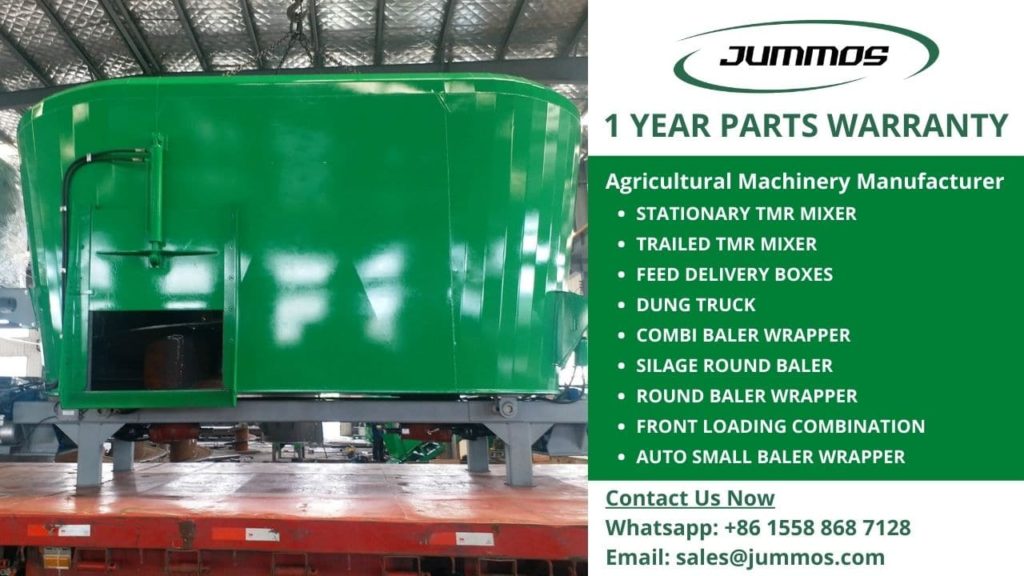
Blade mixer feed cleaning and inspection should be carried out regularly, likewise with other important components and the engine as a whole. Regular maintenance will make the life of the feed mixer last longer; it can even reach more than 20 years. This is a good return on investment, isn’t it? On the other hand, you can maintain the quality of the engine performance so that it remains optimal in mixing the rations homogeneously.
The feed mixer blade is one of the most strategic components because its main function is to chop food ingredients to make a total mixed ratio (TMR). The number of blades on a feed mixer varies, depending on the type, size and capacity. A large-capacity machine will, of course, have more blades than a small one. The quality of the knife also varies, depending on the supplier that produces it.
Impact of Knife Damage on Feed Mixer Performance
No matter how good and expensive you buy a feed mixer, it will be useless when you are careless in the care of the blades. The main causes of knife damage usually wear, dullness or rust. If this happens, you will most likely incur major repair costs, or you may have to buy a new feed mixer. Here are four important reasons why regular knife inspection and maintenance should not be missed:
1. Maximizing TMR Quality
A good mix of rations can be seen from how homogeneous the pieces are. It should be backed up with a sharp, maximum-performing blade. When the feed ingredients mix is uneven due to worn or dull blades, the impact is bad for your livestock. For example, nutrient intake will be uneven and will ultimately harm the health and productivity (meat or milk) of livestock.
2. Save Fuel
Dull blades make cutting and mixing feed last longer. The engine power that must be issued will also be much greater, and this will make fuel consumption more wasteful than usual. That’s why it is important to check the Blade mixer feed regularly, so you don’t incur further losses. If a knife has become dull or damaged due to a long period of use, you should replace or sharpen it immediately. That way, the engine performance will be optimal again in making homogeneous rations.
3. Preventing Expansion of Machine Damage
Disturbance in the feed mixer blades can be a source of damage to other components. For example, loose metal components may come off and mix in the feed mix. This will be a serious problem when the metal is eaten by your cow or goat. Some breeders use special magnets to ensure that no metal alloy gets into the TMR.
4. Speed up TMR Cutting and Making Time
Dull or worn blades make cutting and mixing feed not optimal and time-consuming. On the other hand, making TMR with good feed mixer blades makes the process faster and more optimal. Furthermore, a good feed mixer must be supported with maximum feed quality. You can work with a nutritionist for recommendations and check the composition of the feed to meet the daily nutrition of your livestock.
Where to Get Good Feed Mixer Blades?
The blade is a component that becomes an integral part of the feed mixer. It cannot be purchased separately unless you are repairing the engine and need the appropriate spare parts. So, when you are looking for a good blade for a feed mixer, you should look for a feed mixer from a credible supplier and have a good business reputation.
Selecting a supplier is one of the keys to success in getting a good knife and feed mixer that is suitable for the conditions on your farm. Jummos is one of the most recommended suppliers. Our company is experienced in serving clients in the supply of high-quality agricultural machinery, with a guarantee.
Through our official website at www.jummos.com, you can ensure Jummos’ credibility in providing excellent service and quality products, including in the manufacture of feed mixer blades. We even prioritize consultation before the transaction to ensure what you need. By knowing the conditions on your farm, we can also provide the best recommendations so that your livestock business can progress and increase meat and milk production.